Every person the record names, and the line that runs from them to the present. 79 carry the descent; 10 are relatives who do not, and say so. Click any name in the text above to open its line, or read them here.
Chains stop at the last person with a death date. No living individual is named, dated or placed anywhere on this page.
John Baker 1466–1531 LXS1-PYM
b. Shropshire, England, United Kingdom · d. Shropshire, England, United Kingdom
13th great-grandparent · 15 generations
- John Baker 1466–1531 LXS1-PYM
- John Edward Baker 1503–1558 P9Q5-LL7
- Sir John Nicholas Baker 1547–1581 LYPW-N18
- John Palmer Baker 1563–1590 GHXB-QRX
- Abigail Baker 1589–1659 LBM3-CGB
- John Warner 1616–1692 L6CQ-87W
- Nathaniel Warner 1650–1715 LZBG-GH5
- John Warner 1683–1753 LCM8-ZKF
- Daniel Warner 1719–1793 LJ1M-GYH
- Thomas Warner 1756–Deceased LZBG-G7B
- Anaximander Warner 1784–1843 LH85-ZP6
- Lyman Beecher Warner 1837–1918 KH4K-3J9
- Hattie Mabel Warner 1873–1966 KGL3-6KV
- Beulah Lucretia Gore 1911–1984 LRXF-Q7C
- then 2 living generations, not named here
Nicholas Batt 1608–1677 LK3X-3QN
b. Devizes, Wiltshire, England · d. Newbury, Essex, Massachusetts Bay Colony, British Colonial America
10th great-grandparent · 12 generations
- Nicholas Batt 1608–1677 LK3X-3QN
- Mary Batt 1636–1709 LKY5-6V4
- Margaret Elithorpe 1672–1754 LD13-N9P
- Nathaniel Harriman 1696–1745 L23B-3RL
- Mehitable Harriman 1727–1751 MGSN-KDR
- Major Paul Plumer 1746–1831 L7BV-RQN
- Joseph Dole Plummer 1771–1852 LW58-D8R
- Sarah Huse Plummer 1810–1879 KC16-4MH
- Harriet Malinda Nye 1841–1917 KHYG-923
- Hattie Mabel Warner 1873–1966 KGL3-6KV
- Beulah Lucretia Gore 1911–1984 LRXF-Q7C
- then 2 living generations, not named here
Joanna Blessing 1595–1682 LZ2Y-D2J
b. Caister-on-Sea, Norfolk, England, United Kingdom · d. Topsfield, Essex, Massachusetts Bay Colony, British Colonial America
10th great-grandparent · 12 generations
- Joanna Blessing 1595–1682 LZ2Y-D2J
- Mary Towne 1634–1692 LZLN-LNC
- Isaac Eastey Jr. 1656–1714 LBHM-ZJL
- Sarah Eastey 1694–1750 L5TG-PM2
- Captain Lieutenant Thomas Cummings 1716–1765 LZXG-4G1
- Lydia Cummings 1738–1814 LC7V-L53
- John Porter 1774–1848 L89R-C2W
- Lucretia Porter 1794–1858 27SJ-C76
- Lyman Beecher Warner 1837–1918 KH4K-3J9
- Hattie Mabel Warner 1873–1966 KGL3-6KV
- Beulah Lucretia Gore 1911–1984 LRXF-Q7C
- then 2 living generations, not named here
William Brewster –1593 PS86-CRY
b. England · d. England
11th great-grandparent · 13 generations
- William Brewster –1593 PS86-CRY
- Amy Brewster 1573–1608 G6R1-B4D
- Joseph Weld 1599–1646 LB86-J8S
- Captain John Weld Senior 1623–1691 LZXD-ZMJ
- Elizabeth Weld 1655–1725 PX6X-BHY
- Samuel Gore Jr. 1681–1756 LZ6V-L16
- Samuel Gore III 1707–1791 LZPK-LRJ
- Amos Gore 1753–1827 KGST-2LH
- Ebenezer Gore 1793–1850 KNYV-PLS
- Emerson Elijah Gore 1824–1910 LCV3-BY1
- Edward Emerson Gore 1869–1961 L7ML-62G
- Beulah Lucretia Gore 1911–1984 LRXF-Q7C
- then 2 living generations, not named here
William Alexander Campbell 1913–1999 GSKX-JGN
b. Dayton, Armstrong, Pennsylvania, United States · d. Benton, Oregon, United States
grandparent · 2 generations
- William Alexander Campbell 1913–1999 GSKX-JGN
- then 2 living generations, not named here
Alexander B. Campbell 1828–1909 LVS1-1R2
b. Ireland · d. Dayton, Armstrong, Pennsylvania, United States
2nd great-grandparent · 4 generations
- Alexander B. Campbell 1828–1909 LVS1-1R2
- James M Campbell 1874–1933 L152-JL7
- William Alexander Campbell 1913–1999 GSKX-JGN
- then 2 living generations, not named here
Alexander Campbell 1796–1872 LVS1-1N5
b. County Down, Northern Ireland, United Kingdom · d. Rural Valley, Armstrong, Pennsylvania, United States
3rd great-grandparent · 5 generations
- Alexander Campbell 1796–1872 LVS1-1N5
- Alexander B. Campbell 1828–1909 LVS1-1R2
- James M Campbell 1874–1933 L152-JL7
- William Alexander Campbell 1913–1999 GSKX-JGN
- then 2 living generations, not named here
Benjamin Carpenter 1725–1804 LHL1-YJS
b. Swansea, Bristol, Massachusetts Bay Colony, British Colonial America · d. Guilford, Windham, Vermont, United States
5th great-grandparent · 7 generations
- Benjamin Carpenter 1725–1804 LHL1-YJS
- Lydia Carpenter 1760–1841 LHTP-TWS
- Ebenezer Gore 1793–1850 KNYV-PLS
- Emerson Elijah Gore 1824–1910 LCV3-BY1
- Edward Emerson Gore 1869–1961 L7ML-62G
- Beulah Lucretia Gore 1911–1984 LRXF-Q7C
- then 2 living generations, not named here
John Carter 1529–1559 LVX8-QBT
b. Watford, Hertfordshire, England · d. Romsey, Hampshire, England
13th great-grandparent · 15 generations
- John Carter 1529–1559 LVX8-QBT
- Richard Carter 1550–1591 LK41-X94
- Elizabeth Carter 1570–1625 LK41-619
- John Knight 1594–1670 LCV9-7MX
- Captain John Knight Jr 1626–1677 MNVB-FRV
- Hannah Knight 1664–1745 LHLG-TS4
- Lydia Noyes 1695–1775 KX53-ZD2
- Mary Dole 1724–1817 KZDB-DR1
- Hannah Woodbridge 1750–1827 LZDG-LH7
- Joseph Dole Plummer 1771–1852 LW58-D8R
- Sarah Huse Plummer 1810–1879 KC16-4MH
- Harriet Malinda Nye 1841–1917 KHYG-923
- Hattie Mabel Warner 1873–1966 KGL3-6KV
- Beulah Lucretia Gore 1911–1984 LRXF-Q7C
- then 2 living generations, not named here
Prudence Child 1708–1776 LTLT-NT6
b. Watertown, Middlesex, Massachusetts, United States · d. Westborough, Worcester, Massachusetts, United States
6th great-grandparent · 8 generations
- Prudence Child 1708–1776 LTLT-NT6
- Mary Flagg 1744–1823 LC77-BK5
- Elijah Haven 1772–1853 L4HF-4MC
- Mary Polly Haven 1797–1872 K2JW-CQP
- Emerson Elijah Gore 1824–1910 LCV3-BY1
- Edward Emerson Gore 1869–1961 L7ML-62G
- Beulah Lucretia Gore 1911–1984 LRXF-Q7C
- then 2 living generations, not named here
John Child 1669–1742 LKY2-ZHV
b. Watertown, Middlesex, Massachusetts, United States · d. Waltham, Middlesex, Massachusetts, United States
7th great-grandparent · 9 generations
- John Child 1669–1742 LKY2-ZHV
- Prudence Child 1708–1776 LTLT-NT6
- Mary Flagg 1744–1823 LC77-BK5
- Elijah Haven 1772–1853 L4HF-4MC
- Mary Polly Haven 1797–1872 K2JW-CQP
- Emerson Elijah Gore 1824–1910 LCV3-BY1
- Edward Emerson Gore 1869–1961 L7ML-62G
- Beulah Lucretia Gore 1911–1984 LRXF-Q7C
- then 2 living generations, not named here
James Chilton 1556–1620 LYJD-72P
b. Canterbury, Kent, England, United Kingdom · d. Atlantic Ocean
11th great-grandparent · 13 generations
- James Chilton 1556–1620 LYJD-72P
- Isabel Chilton 1587–1665 L19D-RDF
- Sarah Chandler 1622–1675 LZDB-6B8
- Solomon Leonard 1652–1686 LY7B-WVP
- Martha Leonard 1685–1761 G8W5-DKN
- Timothy Perkins Sr. 1714–1768 L7NT-1FR
- Zepporah Perkins 1754–1821 L4SY-VXT
- Sarah Fuller 1778–1867 L89R-CP9
- Lucretia Porter 1794–1858 27SJ-C76
- Lyman Beecher Warner 1837–1918 KH4K-3J9
- Hattie Mabel Warner 1873–1966 KGL3-6KV
- Beulah Lucretia Gore 1911–1984 LRXF-Q7C
- then 2 living generations, not named here
Margaret Clark 1692–Deceased LTFM-LDP
b. Londonderry, County Londonderry, Northern Ireland, United Kingdom
8th great-grandparent · 10 generations
- Margaret Clark 1692–Deceased LTFM-LDP
- Thomas Jameson 1730–Deceased G316-1VX
- Mary Jamison 1761–1846 LCJ5-112
- Mary Barker 1784–1874 L4SR-99G
- Nancy Barker 1805–1877 9K62-SFC
- John Warner 1834–1909 LC53-8YW
- Alice N Warner 1866–Deceased LV7T-75T
- Edith Hodges 1892–1968 PWHN-RWX
- Alice Williams 1924–2020 PZHQ-H54
- then 2 living generations, not named here
Francis Cooke 1583–1663 LZ2F-MM7
b. England · d. Plymouth, Plymouth Colony, British Colonial America
11th great-grandparent · 13 generations
- Francis Cooke 1583–1663 LZ2F-MM7
- Jane Cooke 1604–1641 K1D9-YFQ
- Elizabeth Mitchell 1629–1684 9SWX-LGC
- John Washburn 1646–1719 LTGC-9HJ
- William Washburn 1686–1756 LHDF-W2M
- Zipporah Washburn 1721–Deceased L4SY-VYS
- Zepporah Perkins 1754–1821 L4SY-VXT
- Sarah Fuller 1778–1867 L89R-CP9
- Lucretia Porter 1794–1858 27SJ-C76
- Lyman Beecher Warner 1837–1918 KH4K-3J9
- Hattie Mabel Warner 1873–1966 KGL3-6KV
- Beulah Lucretia Gore 1911–1984 LRXF-Q7C
- then 2 living generations, not named here
Lydia Cummings 1738–1814 LC7V-L53
b. Ipswich, Essex, Massachusetts, United States · d. Little Hocking, Washington, Ohio, United States
5th great-grandparent · 7 generations
- Lydia Cummings 1738–1814 LC7V-L53
- John Porter 1774–1848 L89R-C2W
- Lucretia Porter 1794–1858 27SJ-C76
- Lyman Beecher Warner 1837–1918 KH4K-3J9
- Hattie Mabel Warner 1873–1966 KGL3-6KV
- Beulah Lucretia Gore 1911–1984 LRXF-Q7C
- then 2 living generations, not named here
Adrienne Cuvellier 1585–1655 K6QT-ZFN
b. Valenciennes, Hainaut, Netherlands · d. New Amsterdam, New Netherland
12th great-grandparent · 14 generations
- Adrienne Cuvellier 1585–1655 K6QT-ZFN
- Christine de la Vigne 1610–1663 LRQR-VML
- Volkert Dirckse 1643–1687 LT31-TMH
- Nicolaas Volkertszen 1665–1759 L28J-JLP
- Annetje Volkertse 1680–1763 9F9T-Z93
- Margaret Wortman 1720–1827 G7QT-VK5
- Dirck Richard Bird 1755–Deceased LYJB-H9V
- Sarah Bird 1791–1873 L6G3-ZZV
- Andrew Turney 1812–1887 KCPN-17P
- Elizabeth Ann Turney 1832–1910 L6T1-PZ5
- William Milton Ross 1864–1938 G88Y-6BH
- Margaret E. Ross 1884–1952 2CMM-L2B
- William Alexander Campbell 1913–1999 GSKX-JGN
- then 2 living generations, not named here
Judith Dillingham 1578–1648 LV4G-1FH
b. Ipswich, Suffolk, England · d. Ipswich, Essex, Massachusetts Bay Colony, British Colonial America
10th great-grandparent · 12 generations
- Judith Dillingham 1578–1648 LV4G-1FH
- Mary Shatswell 1606–1694 9CH9-K75
- Israel Webster 1644–1683 M17X-5FD
- Hannah Renee Webster 1672–1737 9VQ9-FJT
- Ebenezer Huse 1696–1792 LZLV-5GC
- John Huse 1746–1778 LHXJ-Q1J
- Dorothy Huse 1775–1854 LHKV-6CK
- Sarah Huse Plummer 1810–1879 KC16-4MH
- Harriet Malinda Nye 1841–1917 KHYG-923
- Hattie Mabel Warner 1873–1966 KGL3-6KV
- Beulah Lucretia Gore 1911–1984 LRXF-Q7C
- then 2 living generations, not named here
Mercy Dudley 1621–1691 LZVR-KB9
b. Northamptonshire, England · d. Newbury, Essex, Massachusetts Bay Colony, British Colonial America
9th great-grandparent · 11 generations
- Mercy Dudley 1621–1691 LZVR-KB9
- Captain Thomas Woodbridge 1648–1681 LZ27-MWF
- Benjamin Woodbridge 1679–1746 LHZ6-P8K
- Captain William Woodbridge 1724–Deceased KDW6-YLT
- Hannah Woodbridge 1750–1827 LZDG-LH7
- Joseph Dole Plummer 1771–1852 LW58-D8R
- Sarah Huse Plummer 1810–1879 KC16-4MH
- Harriet Malinda Nye 1841–1917 KHYG-923
- Hattie Mabel Warner 1873–1966 KGL3-6KV
- Beulah Lucretia Gore 1911–1984 LRXF-Q7C
- then 2 living generations, not named here
Gov. Thomas Dudley 1576–1653 9SVT-FBV
b. Yardley Hastings, Northamptonshire, England · d. Roxbury, Suffolk, Massachusetts Bay Colony, British Colonial America
10th great-grandparent · 12 generations
- Gov. Thomas Dudley 1576–1653 9SVT-FBV
- Mercy Dudley 1621–1691 LZVR-KB9
- Captain Thomas Woodbridge 1648–1681 LZ27-MWF
- Benjamin Woodbridge 1679–1746 LHZ6-P8K
- Captain William Woodbridge 1724–Deceased KDW6-YLT
- Hannah Woodbridge 1750–1827 LZDG-LH7
- Joseph Dole Plummer 1771–1852 LW58-D8R
- Sarah Huse Plummer 1810–1879 KC16-4MH
- Harriet Malinda Nye 1841–1917 KHYG-923
- Hattie Mabel Warner 1873–1966 KGL3-6KV
- Beulah Lucretia Gore 1911–1984 LRXF-Q7C
- then 2 living generations, not named here
Roger Dudley 1553–1586 LV8V-5WJ
b. England · d. Gelderland, Netherlands
11th great-grandparent · 13 generations
- Roger Dudley 1553–1586 LV8V-5WJ
- Gov. Thomas Dudley 1576–1653 9SVT-FBV
- Mercy Dudley 1621–1691 LZVR-KB9
- Captain Thomas Woodbridge 1648–1681 LZ27-MWF
- Benjamin Woodbridge 1679–1746 LHZ6-P8K
- Captain William Woodbridge 1724–Deceased KDW6-YLT
- Hannah Woodbridge 1750–1827 LZDG-LH7
- Joseph Dole Plummer 1771–1852 LW58-D8R
- Sarah Huse Plummer 1810–1879 KC16-4MH
- Harriet Malinda Nye 1841–1917 KHYG-923
- Hattie Mabel Warner 1873–1966 KGL3-6KV
- Beulah Lucretia Gore 1911–1984 LRXF-Q7C
- then 2 living generations, not named here
Francis Eaton 1596–1633 LZPF-LR2
b. Bristol, England · d. Plymouth Colony, British Colonial America
10th great-grandparent · 12 generations
- Francis Eaton 1596–1633 LZPF-LR2
- Benjamin Eaton Sr 1627–1712 L52L-DNS
- Benjamin Eaton Jr. 1664–1745 LRJT-XWS
- Hannah Eaton 1693–1724 LHJK-Z2C
- Mercy Bryant 1714–1775 LR8K-5D9
- Huldah Leach 1742–1818 LHZ9-DX2
- Hulda Lazelle 1761–Deceased LH85-ZGJ
- Anaximander Warner 1784–1843 LH85-ZP6
- Lyman Beecher Warner 1837–1918 KH4K-3J9
- Hattie Mabel Warner 1873–1966 KGL3-6KV
- Beulah Lucretia Gore 1911–1984 LRXF-Q7C
- then 2 living generations, not named here
Hannah French 1676–1766 L2MC-ZNN
b. Billerica, Middlesex, Massachusetts Bay Colony, British Colonial America · d. Waltham, Middlesex, Massachusetts, United States
7th great-grandparent · 9 generations
- Hannah French 1676–1766 L2MC-ZNN
- Prudence Child 1708–1776 LTLT-NT6
- Mary Flagg 1744–1823 LC77-BK5
- Elijah Haven 1772–1853 L4HF-4MC
- Mary Polly Haven 1797–1872 K2JW-CQP
- Emerson Elijah Gore 1824–1910 LCV3-BY1
- Edward Emerson Gore 1869–1961 L7ML-62G
- Beulah Lucretia Gore 1911–1984 LRXF-Q7C
- then 2 living generations, not named here
Solomon Fuller 1756–1809 L4SY-V64
b. Stafford, Hartford, Connecticut Colony, British Colonial America · d. Washington, Ohio, United States
5th great-grandparent · 7 generations
- Solomon Fuller 1756–1809 L4SY-V64
- Sarah Fuller 1778–1867 L89R-CP9
- Lucretia Porter 1794–1858 27SJ-C76
- Lyman Beecher Warner 1837–1918 KH4K-3J9
- Hattie Mabel Warner 1873–1966 KGL3-6KV
- Beulah Lucretia Gore 1911–1984 LRXF-Q7C
- then 2 living generations, not named here
Dr. Samuel Fuller 1580–1633 LZV2-D62
b. Redenhall, Norfolk, England, United Kingdom · d. Plymouth Colony, British Colonial America
10th great-grandparent · 12 generations
- Dr. Samuel Fuller 1580–1633 LZV2-D62
- Rev. Samuel Fuller Jr. 1629–1695 9HT7-6BF
- Experience Fuller 1669–1728 LJPF-Z18
- Benjamin Wood 1702–1760 LHJ1-SJ6
- Priscilla Wood 1739–1833 2WNR-SCR
- Timothy Warner 1763–1852 P4VN-K3M
- John M. Warner 1802–1894 GH7K-4JW
- John Warner 1834–1909 LC53-8YW
- Alice N Warner 1866–Deceased LV7T-75T
- Edith Hodges 1892–1968 PWHN-RWX
- Alice Williams 1924–2020 PZHQ-H54
- then 2 living generations, not named here
Robert Gilmore 1759–1828 L4KJ-LJ4
b. County Londonderry, Ireland · d. Springfield Township, Mercer, Pennsylvania, United States
3rd great-grandparent · 5 generations
- Robert Gilmore 1759–1828 L4KJ-LJ4
- Mary Elizabeth Gilmore 1827–1893 KZL1-9LT
- Edward Emerson Gore 1869–1961 L7ML-62G
- Beulah Lucretia Gore 1911–1984 LRXF-Q7C
- then 2 living generations, not named here
Beulah Lucretia Gore 1911–1984 LRXF-Q7C
b. Oregon, United States · d. Multnomah, Oregon, United States
grandparent · 2 generations
- Beulah Lucretia Gore 1911–1984 LRXF-Q7C
- then 2 living generations, not named here
Emerson Elijah Gore 1824–1910 LCV3-BY1
b. Halifax, Windham, Vermont, United States · d. Phoenix, Jackson, Oregon, United States
2nd great-grandparent · 4 generations
- Emerson Elijah Gore 1824–1910 LCV3-BY1
- Edward Emerson Gore 1869–1961 L7ML-62G
- Beulah Lucretia Gore 1911–1984 LRXF-Q7C
- then 2 living generations, not named here
Ebenezer Gore 1793–1850 KNYV-PLS
b. Halifax, Windham, Vermont, United States · d. Charleston, Lee, Iowa, United States
3rd great-grandparent · 5 generations
- Ebenezer Gore 1793–1850 KNYV-PLS
- Emerson Elijah Gore 1824–1910 LCV3-BY1
- Edward Emerson Gore 1869–1961 L7ML-62G
- Beulah Lucretia Gore 1911–1984 LRXF-Q7C
- then 2 living generations, not named here
Amos Gore 1753–1827 KGST-2LH
b. Norwich, New London, Connecticut Colony, British Colonial America · d. Halifax, Windham, Vermont, United States
4th great-grandparent · 6 generations
- Amos Gore 1753–1827 KGST-2LH
- Ebenezer Gore 1793–1850 KNYV-PLS
- Emerson Elijah Gore 1824–1910 LCV3-BY1
- Edward Emerson Gore 1869–1961 L7ML-62G
- Beulah Lucretia Gore 1911–1984 LRXF-Q7C
- then 2 living generations, not named here
John Gore 1606–1657 9Z8P-T3X
b. Alton, Hampshire, England · d. Roxbury, Suffolk, Massachusetts Bay Colony, British Colonial America
8th great-grandparent · 10 generations
- John Gore 1606–1657 9Z8P-T3X
- Lieut Samuel Gore 1652–1692 MVHY-TS3
- Samuel Gore Jr. 1681–1756 LZ6V-L16
- Samuel Gore III 1707–1791 LZPK-LRJ
- Amos Gore 1753–1827 KGST-2LH
- Ebenezer Gore 1793–1850 KNYV-PLS
- Emerson Elijah Gore 1824–1910 LCV3-BY1
- Edward Emerson Gore 1869–1961 L7ML-62G
- Beulah Lucretia Gore 1911–1984 LRXF-Q7C
- then 2 living generations, not named here
Mary Elizabeth Gilmore 1827–1893 KZL1-9LT
b. Mercer, Mercer, Pennsylvania, United States · d. Eden Precinct, Jackson, Oregon, United States
2nd great-grandparent · 4 generations
- Mary Elizabeth Gilmore 1827–1893 KZL1-9LT
- Edward Emerson Gore 1869–1961 L7ML-62G
- Beulah Lucretia Gore 1911–1984 LRXF-Q7C
- then 2 living generations, not named here
Stephen Greenleaf 1628–1690 LRN6-D5N
b. Essex, England, United Kingdom · d. Isle St-Jean, Acadia, New France
9th great-grandparent · 11 generations
- Stephen Greenleaf 1628–1690 LRN6-D5N
- Sarah Greenleaf 1655–1718 LC82-JR2
- Joseph Dole 1689–1757 L9HQ-KMC
- Mary Dole 1724–1817 KZDB-DR1
- Hannah Woodbridge 1750–1827 LZDG-LH7
- Joseph Dole Plummer 1771–1852 LW58-D8R
- Sarah Huse Plummer 1810–1879 KC16-4MH
- Harriet Malinda Nye 1841–1917 KHYG-923
- Hattie Mabel Warner 1873–1966 KGL3-6KV
- Beulah Lucretia Gore 1911–1984 LRXF-Q7C
- then 2 living generations, not named here
Capt. Thomas Hale 1658–1730 KN4Z-LZY
b. Newbury, Essex, Massachusetts Bay Colony, British Colonial America · d. Rowley, Essex, Massachusetts Bay Colony, British Colonial America
8th great-grandparent · 10 generations
- Capt. Thomas Hale 1658–1730 KN4Z-LZY
- Thomas Hale 1683–1747 LH3Z-66B
- Elizabeth Hale 1714–1768 LHXJ-QC3
- John Huse 1746–1778 LHXJ-Q1J
- Dorothy Huse 1775–1854 LHKV-6CK
- Sarah Huse Plummer 1810–1879 KC16-4MH
- Harriet Malinda Nye 1841–1917 KHYG-923
- Hattie Mabel Warner 1873–1966 KGL3-6KV
- Beulah Lucretia Gore 1911–1984 LRXF-Q7C
- then 2 living generations, not named here
John Halstead 1535–1632 G3QP-B74
b. Burnley, Lancashire, England · d. Burnley, Lancashire, England, United Kingdom
12th great-grandparent · 14 generations
- John Halstead 1535–1632 G3QP-B74
- Henry Halstead 1564–1614 G8KV-QGN
- Nathaniel Halstead 1595–1643 LZVW-CF1
- Edna Halstead 1626–1705 LZL7-GSR
- Sarah Northend 1661–1732 M8VF-DXW
- Thomas Hale 1683–1747 LH3Z-66B
- Elizabeth Hale 1714–1768 LHXJ-QC3
- John Huse 1746–1778 LHXJ-Q1J
- Dorothy Huse 1775–1854 LHKV-6CK
- Sarah Huse Plummer 1810–1879 KC16-4MH
- Harriet Malinda Nye 1841–1917 KHYG-923
- Hattie Mabel Warner 1873–1966 KGL3-6KV
- Beulah Lucretia Gore 1911–1984 LRXF-Q7C
- then 2 living generations, not named here
Mary Polly Haven 1797–1872 K2JW-CQP
b. Halifax, Windham, Vermont, United States · d. Morganville, Clay, Kansas, United States
3rd great-grandparent · 5 generations
- Mary Polly Haven 1797–1872 K2JW-CQP
- Emerson Elijah Gore 1824–1910 LCV3-BY1
- Edward Emerson Gore 1869–1961 L7ML-62G
- Beulah Lucretia Gore 1911–1984 LRXF-Q7C
- then 2 living generations, not named here
John Howland 1599–1673 LZK8-1X7
b. Fenstanton, Huntingdonshire, England · d. Rocky Nook, Kingston, Plymouth, Massachusetts Bay Colony, British Colonial America
10th great-grandparent · 12 generations
- John Howland 1599–1673 LZK8-1X7
- Hope Howland 1629–1683 LHLH-DVW
- Bethia Chipman 1666–1702 LCXK-S79
- Mary Gale 1689–1769 K8HP-LVF
- Thankful Hinckley 1722–1768 LZJS-PQN
- Ebenezer Nye 1750–1823 LZVQ-FZL
- Niel Nye 1787–1841 264X-W48
- Lewis Stewart Nye 1811–1891 LYG9-1X1
- Harriet Malinda Nye 1841–1917 KHYG-923
- Hattie Mabel Warner 1873–1966 KGL3-6KV
- Beulah Lucretia Gore 1911–1984 LRXF-Q7C
- then 2 living generations, not named here
Joan Hurst 1568–1621 L6LP-Q85
b. Henlow, Bedfordshire, England · d. Plymouth, Plymouth Colony, British Colonial America
11th great-grandparent · 13 generations
- Joan Hurst 1568–1621 L6LP-Q85
- Elizabeth Tilley 1607–1687 LZ8B-H42
- Hope Howland 1629–1683 LHLH-DVW
- Bethia Chipman 1666–1702 LCXK-S79
- Mary Gale 1689–1769 K8HP-LVF
- Thankful Hinckley 1722–1768 LZJS-PQN
- Ebenezer Nye 1750–1823 LZVQ-FZL
- Niel Nye 1787–1841 264X-W48
- Lewis Stewart Nye 1811–1891 LYG9-1X1
- Harriet Malinda Nye 1841–1917 KHYG-923
- Hattie Mabel Warner 1873–1966 KGL3-6KV
- Beulah Lucretia Gore 1911–1984 LRXF-Q7C
- then 2 living generations, not named here
Samuel Gore III 1707–1791 LZPK-LRJ
b. Roxbury, Suffolk, Massachusetts, United States · d. Voluntown, Windham, Connecticut Colony, British Colonial America
5th great-grandparent · 7 generations
- Samuel Gore III 1707–1791 LZPK-LRJ
- Amos Gore 1753–1827 KGST-2LH
- Ebenezer Gore 1793–1850 KNYV-PLS
- Emerson Elijah Gore 1824–1910 LCV3-BY1
- Edward Emerson Gore 1869–1961 L7ML-62G
- Beulah Lucretia Gore 1911–1984 LRXF-Q7C
- then 2 living generations, not named here
William Jamison 1697–1778 L1F6-JZL
b. Northern Ireland, United Kingdom · d. Windham, Rockingham, New Hampshire, United States
8th great-grandparent · 10 generations
- William Jamison 1697–1778 L1F6-JZL
- Thomas Jameson 1730–Deceased G316-1VX
- Mary Jamison 1761–1846 LCJ5-112
- Mary Barker 1784–1874 L4SR-99G
- Nancy Barker 1805–1877 9K62-SFC
- John Warner 1834–1909 LC53-8YW
- Alice N Warner 1866–Deceased LV7T-75T
- Edith Hodges 1892–1968 PWHN-RWX
- Alice Williams 1924–2020 PZHQ-H54
- then 2 living generations, not named here
Samuel Gore Jr. 1681–1756 LZ6V-L16
b. Roxbury, Suffolk, Massachusetts Bay Colony, British Colonial America · d. Norwich, New London, Connecticut Colony, British Colonial America
6th great-grandparent · 8 generations
- Samuel Gore Jr. 1681–1756 LZ6V-L16
- Samuel Gore III 1707–1791 LZPK-LRJ
- Amos Gore 1753–1827 KGST-2LH
- Ebenezer Gore 1793–1850 KNYV-PLS
- Emerson Elijah Gore 1824–1910 LCV3-BY1
- Edward Emerson Gore 1869–1961 L7ML-62G
- Beulah Lucretia Gore 1911–1984 LRXF-Q7C
- then 2 living generations, not named here
Giles Leach 1632–1705 9V9N-DKW
b. Plymouth Colony, British Colonial America · d. Bridgewater, Plymouth, Plymouth Colony, British Colonial America
8th great-grandparent · 10 generations
- Giles Leach 1632–1705 9V9N-DKW
- John Leach 1665–1744 LHV4-HFN
- Nehemiah Leach 1709–1769 LR8K-TXD
- Huldah Leach 1742–1818 LHZ9-DX2
- Hulda Lazelle 1761–Deceased LH85-ZGJ
- Anaximander Warner 1784–1843 LH85-ZP6
- Lyman Beecher Warner 1837–1918 KH4K-3J9
- Hattie Mabel Warner 1873–1966 KGL3-6KV
- Beulah Lucretia Gore 1911–1984 LRXF-Q7C
- then 2 living generations, not named here
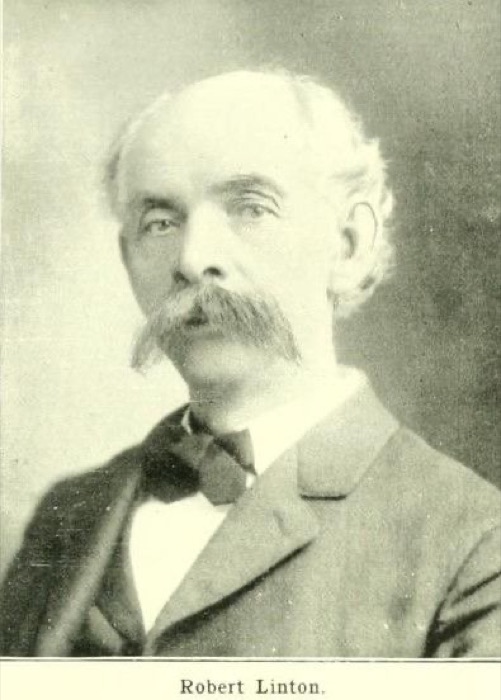
Robert Linton 1841–1919 LYNG-MYW
b. Kilmarnock, Ayrshire, Scotland, United Kingdom · d. Pawtucket, Providence, Rhode Island, United States
2nd great-grandparent · 4 generations
- Robert Linton 1841–1919 LYNG-MYW
- Fannie Mesler Cooper Linton 1885–1967 9VJ5-38J
- Samuel Albert Mushen 1911–1975 G4GP-J5B
- then 2 living generations, not named here
Hugh Linton 1804–1866 LYN2-DR5
b. Ireland · d. Providence, Rhode Island, United States
3rd great-grandparent · 5 generations
- Hugh Linton 1804–1866 LYN2-DR5
- Robert Linton 1841–1919 LYNG-MYW
- Fannie Mesler Cooper Linton 1885–1967 9VJ5-38J
- Samuel Albert Mushen 1911–1975 G4GP-J5B
- then 2 living generations, not named here
Sir William Mallet 1571–1611 LYB5-13H
b. Enmore, Somerset, England · d. Enmore Castle, Somerset, England
10th great-grandparent · 12 generations
- Sir William Mallet 1571–1611 LYB5-13H
- Jehan Mallet 1610–Deceased 9KX5-1PK
- John Jean Mallet 1644–1722 GPSG-P54
- Mary Mallet 1689–1759 LCZT-N6C
- Mary Blodgett 1711–1799 LZ8M-SQW
- Solomon Fuller 1756–1809 L4SY-V64
- Sarah Fuller 1778–1867 L89R-CP9
- Lucretia Porter 1794–1858 27SJ-C76
- Lyman Beecher Warner 1837–1918 KH4K-3J9
- Hattie Mabel Warner 1873–1966 KGL3-6KV
- Beulah Lucretia Gore 1911–1984 LRXF-Q7C
- then 2 living generations, not named here
Agnes Mitchell 1821–1879 LYN2-HV8
b. Ireland · d. Providence, Rhode Island, United States
3rd great-grandparent · 5 generations
- Agnes Mitchell 1821–1879 LYN2-HV8
- Robert Linton 1841–1919 LYNG-MYW
- Fannie Mesler Cooper Linton 1885–1967 9VJ5-38J
- Samuel Albert Mushen 1911–1975 G4GP-J5B
- then 2 living generations, not named here
Experience Mitchell 1603–1689 L5FQ-8ND
b. England · d. Bridgewater, Plymouth Colony, British Colonial America
10th great-grandparent · 12 generations
- Experience Mitchell 1603–1689 L5FQ-8ND
- Elizabeth Mitchell 1629–1684 9SWX-LGC
- John Washburn 1646–1719 LTGC-9HJ
- William Washburn 1686–1756 LHDF-W2M
- Zipporah Washburn 1721–Deceased L4SY-VYS
- Zepporah Perkins 1754–1821 L4SY-VXT
- Sarah Fuller 1778–1867 L89R-CP9
- Lucretia Porter 1794–1858 27SJ-C76
- Lyman Beecher Warner 1837–1918 KH4K-3J9
- Hattie Mabel Warner 1873–1966 KGL3-6KV
- Beulah Lucretia Gore 1911–1984 LRXF-Q7C
- then 2 living generations, not named here
Samuel Albert Mushen 1911–1975 G4GP-J5B
b. Oregon, United States · d. Multnomah, Oregon, United States
grandparent · 2 generations
- Samuel Albert Mushen 1911–1975 G4GP-J5B
- then 2 living generations, not named here
Albert Mushen 1840–1917 27V2-TB2
b. England, United Kingdom · d. Worcester, Worcester, Massachusetts, United States
2nd great-grandparent · 4 generations
- Albert Mushen 1840–1917 27V2-TB2
- Samuel Albert Mushen 1881–1937 27V2-TBK
- Samuel Albert Mushen 1911–1975 G4GP-J5B
- then 2 living generations, not named here
Lucy Newberry 1614–1678 LKY5-6HL
b. England · d. Newbury, Essex, Massachusetts Bay Colony, British Colonial America
10th great-grandparent · 12 generations
- Lucy Newberry 1614–1678 LKY5-6HL
- Mary Batt 1636–1709 LKY5-6V4
- Margaret Elithorpe 1672–1754 LD13-N9P
- Nathaniel Harriman 1696–1745 L23B-3RL
- Mehitable Harriman 1727–1751 MGSN-KDR
- Major Paul Plumer 1746–1831 L7BV-RQN
- Joseph Dole Plummer 1771–1852 LW58-D8R
- Sarah Huse Plummer 1810–1879 KC16-4MH
- Harriet Malinda Nye 1841–1917 KHYG-923
- Hattie Mabel Warner 1873–1966 KGL3-6KV
- Beulah Lucretia Gore 1911–1984 LRXF-Q7C
- then 2 living generations, not named here
Sarah Nurse 1680–1757 LKCD-19K
b. Salem, Essex, Massachusetts Bay Colony, British Colonial America · d. Salem, Essex, Massachusetts, United States
8th great-grandparent · 10 generations
- Sarah Nurse 1680–1757 LKCD-19K
- Peter Twiss III 1715–1769 9Q64-XYW
- Peter Twiss IV 1751–1802 24M7-RC9
- Sarah Twiss 1780–1850 GXS5-7M1
- Lovina Gilbert 1798–1873 K2XL-QQH
- Lyman H Hodges 1833–Deceased L5VJ-7RN
- Fred Hodges 1866–1929 L5VX-KT4
- Edith Hodges 1892–1968 PWHN-RWX
- Alice Williams 1924–2020 PZHQ-H54
- then 2 living generations, not named here
Rebecca Towne 1621–1692 9421-W84
b. Great Yarmouth, Norfolk, England · d. Salem, Essex, Massachusetts Bay Colony, British Colonial America
10th great-grandparent · 12 generations
- Rebecca Towne 1621–1692 9421-W84
- John Francis Nurse 1645–1719 LZBG-PKN
- Sarah Nurse 1680–1757 LKCD-19K
- Peter Twiss III 1715–1769 9Q64-XYW
- Peter Twiss IV 1751–1802 24M7-RC9
- Sarah Twiss 1780–1850 GXS5-7M1
- Lovina Gilbert 1798–1873 K2XL-QQH
- Lyman H Hodges 1833–Deceased L5VJ-7RN
- Fred Hodges 1866–1929 L5VX-KT4
- Edith Hodges 1892–1968 PWHN-RWX
- Alice Williams 1924–2020 PZHQ-H54
- then 2 living generations, not named here
Ebenezer Nye 1750–1823 LZVQ-FZL
b. Tolland, Tolland, Connecticut, United States · d. Rainbow, Washington, Ohio, United States
5th great-grandparent · 7 generations
- Ebenezer Nye 1750–1823 LZVQ-FZL
- Niel Nye 1787–1841 264X-W48
- Lewis Stewart Nye 1811–1891 LYG9-1X1
- Harriet Malinda Nye 1841–1917 KHYG-923
- Hattie Mabel Warner 1873–1966 KGL3-6KV
- Beulah Lucretia Gore 1911–1984 LRXF-Q7C
- then 2 living generations, not named here
Ebenezer Porter 1732–1827 LC3Z-287
b. Ipswich, Essex, Massachusetts Bay Colony, British Colonial America · d. Little Hocking, Washington, Ohio, United States
5th great-grandparent · 7 generations
- Ebenezer Porter 1732–1827 LC3Z-287
- John Porter 1774–1848 L89R-C2W
- Lucretia Porter 1794–1858 27SJ-C76
- Lyman Beecher Warner 1837–1918 KH4K-3J9
- Hattie Mabel Warner 1873–1966 KGL3-6KV
- Beulah Lucretia Gore 1911–1984 LRXF-Q7C
- then 2 living generations, not named here
Degory Priest 1579–1621 LYXM-V3F
d. Plymouth, Plymouth, Massachusetts Bay Colony, British Colonial America
11th great-grandparent · 13 generations
- Degory Priest 1579–1621 LYXM-V3F
- Sarah Priest 1615–1648 L632-8FH
- John Henry Coombs Jr 1632–1668 KZ6D-XW3
- Mary Coombs 1666–1728 LBVM-TMQ
- Hannah Eaton 1693–1724 LHJK-Z2C
- Mercy Bryant 1714–1775 LR8K-5D9
- Huldah Leach 1742–1818 LHZ9-DX2
- Hulda Lazelle 1761–Deceased LH85-ZGJ
- Anaximander Warner 1784–1843 LH85-ZP6
- Lyman Beecher Warner 1837–1918 KH4K-3J9
- Hattie Mabel Warner 1873–1966 KGL3-6KV
- Beulah Lucretia Gore 1911–1984 LRXF-Q7C
- then 2 living generations, not named here
Maria Dorothea Riemensneider 1736–1778 LVHH-V65
b. Manheim, Herkimer, New York, United States · d. Manheim, Herkimer, New York, United States
6th great-grandparent · 8 generations
- Maria Dorothea Riemensneider 1736–1778 LVHH-V65
- Johannes Etel 1764–1819 MPZS-1VP
- Nancy Adle 1803–1857 LC2J-VZT
- Eliza Hart 1833–1911 L5VN-6X9
- Alice N Warner 1866–Deceased LV7T-75T
- Edith Hodges 1892–1968 PWHN-RWX
- Alice Williams 1924–2020 PZHQ-H54
- then 2 living generations, not named here
Margaret E. Ross 1884–1952 2CMM-L2B
b. Armstrong, Pennsylvania, United States
great-grandparent · 3 generations
- Margaret E. Ross 1884–1952 2CMM-L2B
- William Alexander Campbell 1913–1999 GSKX-JGN
- then 2 living generations, not named here
John Russ 1641–1690 LJY8-K4R
b. Newbury, Massachusetts Bay Colony, British Colonial America · d. Andover, Essex, Massachusetts, United States
10th great-grandparent · 12 generations
- John Russ 1641–1690 LJY8-K4R
- Sarah Russ 1668–1737 LRFX-RYG
- Elizabeth Lovejoy 1700–1761 LCV3-WM6
- Zebediah Barker Jr. 1720–1780 LZX1-WMD
- Peter Barker Bond 1756–1829 MXHG-Z2B
- Samuel Barker 1782–1870 2MGY-ZMK
- Nancy Barker 1805–1877 9K62-SFC
- John Warner 1834–1909 LC53-8YW
- Alice N Warner 1866–Deceased LV7T-75T
- Edith Hodges 1892–1968 PWHN-RWX
- Alice Williams 1924–2020 PZHQ-H54
- then 2 living generations, not named here
Mary Shatswell 1606–1694 9CH9-K75
b. Ipswich, Suffolk, England · d. Newbury, Essex, Massachusetts Bay Colony, British Colonial America
9th great-grandparent · 11 generations
- Mary Shatswell 1606–1694 9CH9-K75
- Israel Webster 1644–1683 M17X-5FD
- Hannah Renee Webster 1672–1737 9VQ9-FJT
- Ebenezer Huse 1696–1792 LZLV-5GC
- John Huse 1746–1778 LHXJ-Q1J
- Dorothy Huse 1775–1854 LHKV-6CK
- Sarah Huse Plummer 1810–1879 KC16-4MH
- Harriet Malinda Nye 1841–1917 KHYG-923
- Hattie Mabel Warner 1873–1966 KGL3-6KV
- Beulah Lucretia Gore 1911–1984 LRXF-Q7C
- then 2 living generations, not named here
John Shatswell 1574–1615 LT2T-C3F
b. Sudbury St Peter, Suffolk, England · d. England
10th great-grandparent · 12 generations
- John Shatswell 1574–1615 LT2T-C3F
- Mary Shatswell 1606–1694 9CH9-K75
- Israel Webster 1644–1683 M17X-5FD
- Hannah Renee Webster 1672–1737 9VQ9-FJT
- Ebenezer Huse 1696–1792 LZLV-5GC
- John Huse 1746–1778 LHXJ-Q1J
- Dorothy Huse 1775–1854 LHKV-6CK
- Sarah Huse Plummer 1810–1879 KC16-4MH
- Harriet Malinda Nye 1841–1917 KHYG-923
- Hattie Mabel Warner 1873–1966 KGL3-6KV
- Beulah Lucretia Gore 1911–1984 LRXF-Q7C
- then 2 living generations, not named here
Nicasius de Sille 1610–1673 LJ2W-FXP
b. Arnhem, Gelderland, Netherlands · d. New Utrecht, Kings, New York Colony, British Colonial America
11th great-grandparent · 13 generations
- Nicasius de Sille 1610–1673 LJ2W-FXP
- Gerardina de Sille 1642–1720 M8Y6-QJF
- Neeltje Janse Van Couwenhoven 1665–1732 9KB1-C36
- Annetje Volkertse 1680–1763 9F9T-Z93
- Margaret Wortman 1720–1827 G7QT-VK5
- Dirck Richard Bird 1755–Deceased LYJB-H9V
- Sarah Bird 1791–1873 L6G3-ZZV
- Andrew Turney 1812–1887 KCPN-17P
- Elizabeth Ann Turney 1832–1910 L6T1-PZ5
- William Milton Ross 1864–1938 G88Y-6BH
- Margaret E. Ross 1884–1952 2CMM-L2B
- William Alexander Campbell 1913–1999 GSKX-JGN
- then 2 living generations, not named here
Elizabeth Smith 1846–1938 LYNG-SRH
b. Scotland · d. Pawtucket, Providence, Rhode Island, United States
2nd great-grandparent · 4 generations
- Elizabeth Smith 1846–1938 LYNG-SRH
- Fannie Mesler Cooper Linton 1885–1967 9VJ5-38J
- Samuel Albert Mushen 1911–1975 G4GP-J5B
- then 2 living generations, not named here
Nancy Smith 1788–1856 KFH6-JM9
b. Indiana, Pennsylvania, United States · d. Lee, Iowa, United States
3rd great-grandparent · 5 generations
- Nancy Smith 1788–1856 KFH6-JM9
- Mary Elizabeth Gilmore 1827–1893 KZL1-9LT
- Edward Emerson Gore 1869–1961 L7ML-62G
- Beulah Lucretia Gore 1911–1984 LRXF-Q7C
- then 2 living generations, not named here
George Soule 1420–1490 GQ3H-V8P
b. Kent, England, United Kingdom · d. Kent, England, United Kingdom
15th great-grandparent · 17 generations
- George Soule 1420–1490 GQ3H-V8P
- John Soule Sr. 1445–1544 GQ3H-872
- John Henry Soule 1470–1508 G1MM-1GL
- John Thomas Henry Soule 1499–1540 G18Y-3B3
- John Soule 1540–1576 LZJC-K8R
- Thomas Soule 1567–1614 LR73-7MY
- Sarah Soule 1600–1656 LTH1-9BC
- Ensign John Hinckley 1644–1709 LZ6G-DWY
- Ichabod Hinckley 1680–1768 LZNN-X89
- Thankful Hinckley 1722–1768 LZJS-PQN
- Ebenezer Nye 1750–1823 LZVQ-FZL
- Niel Nye 1787–1841 264X-W48
- Lewis Stewart Nye 1811–1891 LYG9-1X1
- Harriet Malinda Nye 1841–1917 KHYG-923
- Hattie Mabel Warner 1873–1966 KGL3-6KV
- Beulah Lucretia Gore 1911–1984 LRXF-Q7C
- then 2 living generations, not named here
John Webster Sr 1605–1646 LR6W-GT2
b. Ipswich, Suffolk, England · d. Ipswich, Essex, Massachusetts Bay Colony, British Colonial America
9th great-grandparent · 11 generations
- John Webster Sr 1605–1646 LR6W-GT2
- Israel Webster 1644–1683 M17X-5FD
- Hannah Renee Webster 1672–1737 9VQ9-FJT
- Ebenezer Huse 1696–1792 LZLV-5GC
- John Huse 1746–1778 LHXJ-Q1J
- Dorothy Huse 1775–1854 LHKV-6CK
- Sarah Huse Plummer 1810–1879 KC16-4MH
- Harriet Malinda Nye 1841–1917 KHYG-923
- Hattie Mabel Warner 1873–1966 KGL3-6KV
- Beulah Lucretia Gore 1911–1984 LRXF-Q7C
- then 2 living generations, not named here
Samuel Templeton 1710–1777 G7JH-HFD
b. County Antrim, Northern Ireland, United Kingdom · d. Peters Township, Franklin, Pennsylvania, United States
5th great-grandparent · 7 generations
- Samuel Templeton 1710–1777 G7JH-HFD
- Mary Molly Templeton 1750–1800 G7KN-TW7
- Nancy Smith 1788–1856 KFH6-JM9
- Mary Elizabeth Gilmore 1827–1893 KZL1-9LT
- Edward Emerson Gore 1869–1961 L7ML-62G
- Beulah Lucretia Gore 1911–1984 LRXF-Q7C
- then 2 living generations, not named here
Elizabeth Tilley 1607–1687 LZ8B-H42
b. Henlow, Bedfordshire, England · d. Swansea, Bristol, Plymouth Colony, British Colonial America
10th great-grandparent · 12 generations
- Elizabeth Tilley 1607–1687 LZ8B-H42
- Hope Howland 1629–1683 LHLH-DVW
- Bethia Chipman 1666–1702 LCXK-S79
- Mary Gale 1689–1769 K8HP-LVF
- Thankful Hinckley 1722–1768 LZJS-PQN
- Ebenezer Nye 1750–1823 LZVQ-FZL
- Niel Nye 1787–1841 264X-W48
- Lewis Stewart Nye 1811–1891 LYG9-1X1
- Harriet Malinda Nye 1841–1917 KHYG-923
- Hattie Mabel Warner 1873–1966 KGL3-6KV
- Beulah Lucretia Gore 1911–1984 LRXF-Q7C
- then 2 living generations, not named here
John Tilley 1571–1621 L71L-S22
b. Henlow, Bedfordshire, England · d. Plymouth, Plymouth Colony, British Colonial America
11th great-grandparent · 13 generations
- John Tilley 1571–1621 L71L-S22
- Elizabeth Tilley 1607–1687 LZ8B-H42
- Hope Howland 1629–1683 LHLH-DVW
- Bethia Chipman 1666–1702 LCXK-S79
- Mary Gale 1689–1769 K8HP-LVF
- Thankful Hinckley 1722–1768 LZJS-PQN
- Ebenezer Nye 1750–1823 LZVQ-FZL
- Niel Nye 1787–1841 264X-W48
- Lewis Stewart Nye 1811–1891 LYG9-1X1
- Harriet Malinda Nye 1841–1917 KHYG-923
- Hattie Mabel Warner 1873–1966 KGL3-6KV
- Beulah Lucretia Gore 1911–1984 LRXF-Q7C
- then 2 living generations, not named here
Edmund Towne 1628–1678 LJ26-2LZ
b. Great Yarmouth, Norfolk, England · d. Topsfield, Essex, Massachusetts Bay Colony, British Colonial America
10th great-grandparent · 12 generations
- Edmund Towne 1628–1678 LJ26-2LZ
- Joseph Towne 1661–1717 LKKM-NY4
- Daniel Towne 1695–1748 2Q1J-1KX
- Judith Towne 1725–Deceased G9W9-73R
- Peter Twiss IV 1751–1802 24M7-RC9
- Sarah Twiss 1780–1850 GXS5-7M1
- Lovina Gilbert 1798–1873 K2XL-QQH
- Lyman H Hodges 1833–Deceased L5VJ-7RN
- Fred Hodges 1866–1929 L5VX-KT4
- Edith Hodges 1892–1968 PWHN-RWX
- Alice Williams 1924–2020 PZHQ-H54
- then 2 living generations, not named here
William Towne 1599–1673 9MTJ-YTD
b. Norwich, Norfolk, England, United Kingdom · d. Topsfield, Essex, Massachusetts Bay Colony, British Colonial America
10th great-grandparent · 12 generations
- William Towne 1599–1673 9MTJ-YTD
- Mary Towne 1634–1692 LZLN-LNC
- Isaac Eastey Jr. 1656–1714 LBHM-ZJL
- Sarah Eastey 1694–1750 L5TG-PM2
- Captain Lieutenant Thomas Cummings 1716–1765 LZXG-4G1
- Lydia Cummings 1738–1814 LC7V-L53
- John Porter 1774–1848 L89R-C2W
- Lucretia Porter 1794–1858 27SJ-C76
- Lyman Beecher Warner 1837–1918 KH4K-3J9
- Hattie Mabel Warner 1873–1966 KGL3-6KV
- Beulah Lucretia Gore 1911–1984 LRXF-Q7C
- then 2 living generations, not named here
Mary Towne 1634–1692 LZLN-LNC
b. Great Yarmouth, Norfolk, England, United Kingdom · d. Salem, Massachusetts Bay Colony, British Colonial America
9th great-grandparent · 11 generations
- Mary Towne 1634–1692 LZLN-LNC
- Isaac Eastey Jr. 1656–1714 LBHM-ZJL
- Sarah Eastey 1694–1750 L5TG-PM2
- Captain Lieutenant Thomas Cummings 1716–1765 LZXG-4G1
- Lydia Cummings 1738–1814 LC7V-L53
- John Porter 1774–1848 L89R-C2W
- Lucretia Porter 1794–1858 27SJ-C76
- Lyman Beecher Warner 1837–1918 KH4K-3J9
- Hattie Mabel Warner 1873–1966 KGL3-6KV
- Beulah Lucretia Gore 1911–1984 LRXF-Q7C
- then 2 living generations, not named here
Ghislain de la Vigne 1586–1632 LR73-D5Q
b. Valenciennes, Hainaut, Netherlands · d. New Amsterdam, New Netherland
12th great-grandparent · 14 generations
- Ghislain de la Vigne 1586–1632 LR73-D5Q
- Christine de la Vigne 1610–1663 LRQR-VML
- Volkert Dirckse 1643–1687 LT31-TMH
- Nicolaas Volkertszen 1665–1759 L28J-JLP
- Annetje Volkertse 1680–1763 9F9T-Z93
- Margaret Wortman 1720–1827 G7QT-VK5
- Dirck Richard Bird 1755–Deceased LYJB-H9V
- Sarah Bird 1791–1873 L6G3-ZZV
- Andrew Turney 1812–1887 KCPN-17P
- Elizabeth Ann Turney 1832–1910 L6T1-PZ5
- William Milton Ross 1864–1938 G88Y-6BH
- Margaret E. Ross 1884–1952 2CMM-L2B
- William Alexander Campbell 1913–1999 GSKX-JGN
- then 2 living generations, not named here
Hattie Mabel Warner 1873–1966 KGL3-6KV
b. Grand Rapids, Wood, Wisconsin, United States · d. Multnomah, Oregon, United States
great-grandparent · 3 generations
- Hattie Mabel Warner 1873–1966 KGL3-6KV
- Beulah Lucretia Gore 1911–1984 LRXF-Q7C
- then 2 living generations, not named here
Lyman Beecher Warner 1837–1918 KH4K-3J9
b. Alexander, Alexander Township, Athens, Ohio, United States · d. Jackson, Oregon, United States
2nd great-grandparent · 4 generations
- Lyman Beecher Warner 1837–1918 KH4K-3J9
- Hattie Mabel Warner 1873–1966 KGL3-6KV
- Beulah Lucretia Gore 1911–1984 LRXF-Q7C
- then 2 living generations, not named here
Deacon Andrew Warner 1595–1684 9CNZ-32B
b. Great Waltham, Essex, England · d. Hadley, Hampshire, Massachusetts Bay Colony, British Colonial America
9th great-grandparent · 11 generations
- Deacon Andrew Warner 1595–1684 9CNZ-32B
- Isaac Warner I 1645–1691 M18D-NMS
- Ensign Ichabod Warner Sr. 1684–1767 LTM2-S86
- John Warner 1734–1773 2WNR-9FQ
- Timothy Warner 1763–1852 P4VN-K3M
- John M. Warner 1802–1894 GH7K-4JW
- John Warner 1834–1909 LC53-8YW
- Alice N Warner 1866–Deceased LV7T-75T
- Edith Hodges 1892–1968 PWHN-RWX
- Alice Williams 1924–2020 PZHQ-H54
- then 2 living generations, not named here
Alice Williams 1924–2020 PZHQ-H54
b. Oneida, New York, United States · d. Fountain Hills, Maricopa, Arizona, United States
grandparent · 2 generations
- Alice Williams 1924–2020 PZHQ-H54
- then 2 living generations, not named here
Robert Wilson 1563–Deceased LZGL-JWH
13th great-grandparent · 15 generations
- Robert Wilson 1563–Deceased LZGL-JWH
- Alice Isabell Wilson 1588–1658 LRHM-HRF
- John Hardy 1613–1670 L13M-H8S
- Captain George Hardy 1633–1693 MTCW-37Q
- Mary Elizabeth Hardy 1655–1694 MQ8D-9XK
- John David Jarrett Sr 1693–1755 LFHL-3ST
- Elisabeth Jarrett 1730–1779 LBKC-9LM
- George John Turney 1753–1823 2DTV-HD8
- Philip Harrison Turney Sr. 1790–1856 L6G3-449
- Andrew Turney 1812–1887 KCPN-17P
- Elizabeth Ann Turney 1832–1910 L6T1-PZ5
- William Milton Ross 1864–1938 G88Y-6BH
- Margaret E. Ross 1884–1952 2CMM-L2B
- William Alexander Campbell 1913–1999 GSKX-JGN
- then 2 living generations, not named here
Hannah Woodbridge 1750–1827 LZDG-LH7
b. Newbury, Essex, Massachusetts Bay Colony, British Colonial America · d. Newbury, Essex, Massachusetts, United States
5th great-grandparent · 7 generations
- Hannah Woodbridge 1750–1827 LZDG-LH7
- Joseph Dole Plummer 1771–1852 LW58-D8R
- Sarah Huse Plummer 1810–1879 KC16-4MH
- Harriet Malinda Nye 1841–1917 KHYG-923
- Hattie Mabel Warner 1873–1966 KGL3-6KV
- Beulah Lucretia Gore 1911–1984 LRXF-Q7C
- then 2 living generations, not named here
Alice Young 1477–1524 L8MY-1SS
b. Enmore Castle, Somerset, England · d. Enmore Castle, Somerset, England
14th great-grandparent · 16 generations
- Alice Young 1477–1524 L8MY-1SS
- Baldwin Malet 1496–1533 G9N9-LPS
- Anne Mallett 1529–1592 LHZJ-55K
- Johanna Vivian 1562–1618 LBLT-DK7
- Alice 1604–1654 G633-G62
- Abigail Shaw 1626–1694 LTMZ-GFD
- Abigail Bryant 1647–1715 LRYT-RP9
- Benjamin Bryant 1688–1724 LHJK-ZK4
- Mercy Bryant 1714–1775 LR8K-5D9
- Huldah Leach 1742–1818 LHZ9-DX2
- Hulda Lazelle 1761–Deceased LH85-ZGJ
- Anaximander Warner 1784–1843 LH85-ZP6
- Lyman Beecher Warner 1837–1918 KH4K-3J9
- Hattie Mabel Warner 1873–1966 KGL3-6KV
- Beulah Lucretia Gore 1911–1984 LRXF-Q7C
- then 2 living generations, not named here
Lady Alice Young 1571–1613 LYB5-XDV
b. Easton-in-Gordano, Somerset, England · d. Enmore, Somerset, England
10th great-grandparent · 12 generations
- Lady Alice Young 1571–1613 LYB5-XDV
- Jehan Mallet 1610–Deceased 9KX5-1PK
- John Jean Mallet 1644–1722 GPSG-P54
- Mary Mallet 1689–1759 LCZT-N6C
- Mary Blodgett 1711–1799 LZ8M-SQW
- Solomon Fuller 1756–1809 L4SY-V64
- Sarah Fuller 1778–1867 L89R-CP9
- Lucretia Porter 1794–1858 27SJ-C76
- Lyman Beecher Warner 1837–1918 KH4K-3J9
- Hattie Mabel Warner 1873–1966 KGL3-6KV
- Beulah Lucretia Gore 1911–1984 LRXF-Q7C
- then 2 living generations, not named here
Ruth Child 1715–1802 LTPC-5W8
b. Weston, Middlesex, Massachusetts, United States · d. Gallipolis Township, Gallia, Ohio, United States
Not a direct ancestor: not on a traced descent line in this record — a relative rather than an ancestor.
Mary Flagg 1702–1744 L7FS-GMV
b. Woburn, Middlesex, Massachusetts, United States · d. Sudbury, Middlesex, Massachusetts Bay Colony, British Colonial America
Not a direct ancestor: not on a traced descent line in this record — a relative rather than an ancestor.
John Francis 1304–1391 L2GJ-6DG
b. Foremark, Derbyshire, England · d. Foremark, Derbyshire, England
Not a direct ancestor: not on a traced descent line in this record — a relative rather than an ancestor.
Paul Plumer 1732–1771 GQXQ-DX9
b. Newbury, Essex, Massachusetts, United States
Not a direct ancestor: not on a traced descent line in this record — a relative rather than an ancestor.
Anna Barbara Riemensnyder 1741–1778 LTBM-DZT
b. Herkimer, New York, United States · d. Oriskany, Whitestown, Oneida, New York, United States
Not a direct ancestor: not on a traced descent line in this record — a relative rather than an ancestor.
Catharina Riemensnyder 1752–1777 LNV6-RGQ
b. Herkimer, New York, United States · d. Oneida, New York, United States
Not a direct ancestor: not on a traced descent line in this record — a relative rather than an ancestor.
Sgt. Johannes Peter Ritter 1720–1777 LCRZ-N4Q
b. Mainz, Rhineland-Palatinate, Germany · d. Oriskany, Whitestown, Oneida, New York, United States
Not a direct ancestor: not on a traced descent line in this record — a relative rather than an ancestor.
Sir John Russell 1175–1224 L44S-KJ5
b. Kingston Russell, Dorset, England · d. Kingston Russell, Dorset, England
Not a direct ancestor: not on a traced descent line in this record — a relative rather than an ancestor.
Capt Stephen Fay Sr. 1715–1781 LT4N-ZCM
b. Westborough, Worcester, Massachusetts Bay Colony, British Colonial America · d. Bennington, Bennington, Vermont, United States
Not a direct ancestor: not on a traced descent line in this record — a relative rather than an ancestor.
Timothy Warner 1724–1760 L4WZ-CTC
b. Lebanon, New London, Connecticut Colony, British Colonial America · d. Windham, Windham, Connecticut Colony, British Colonial America
Not a direct ancestor: not on a traced descent line in this record — a relative rather than an ancestor.